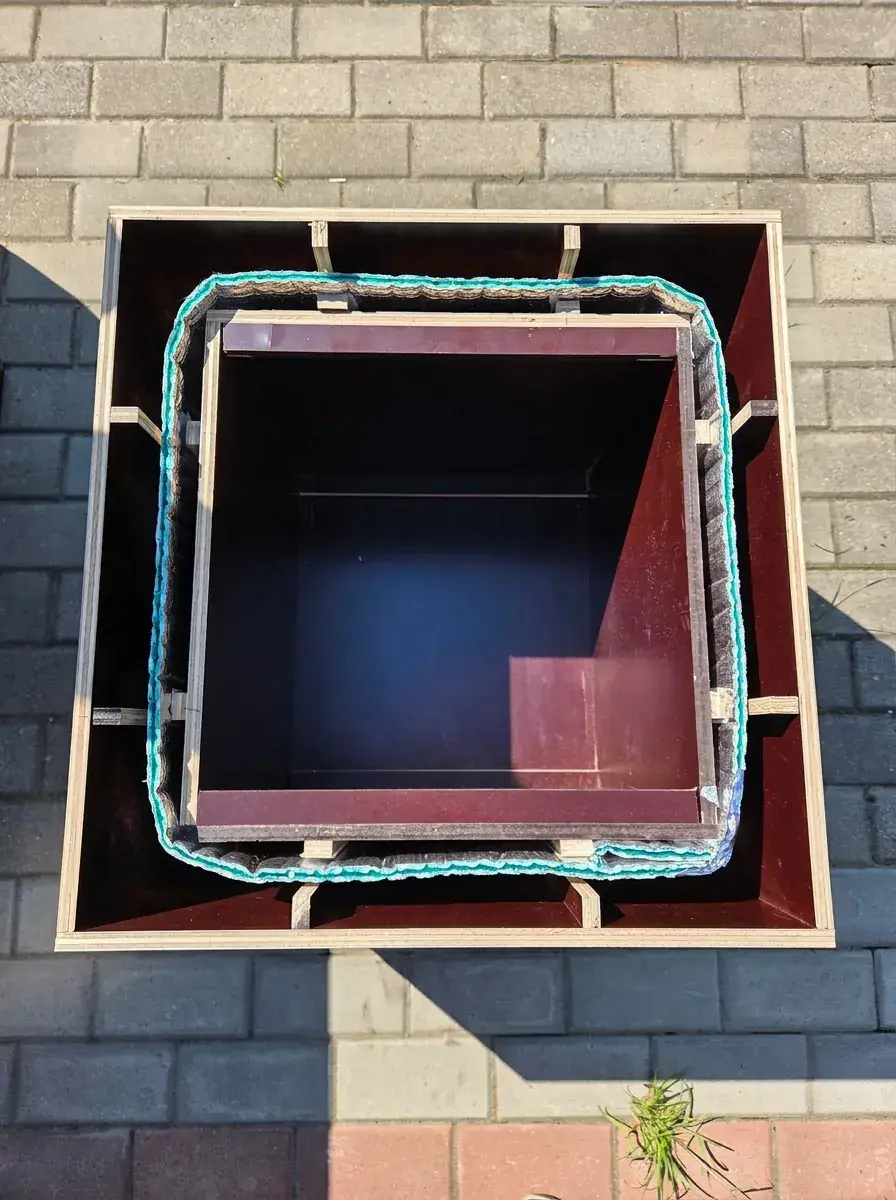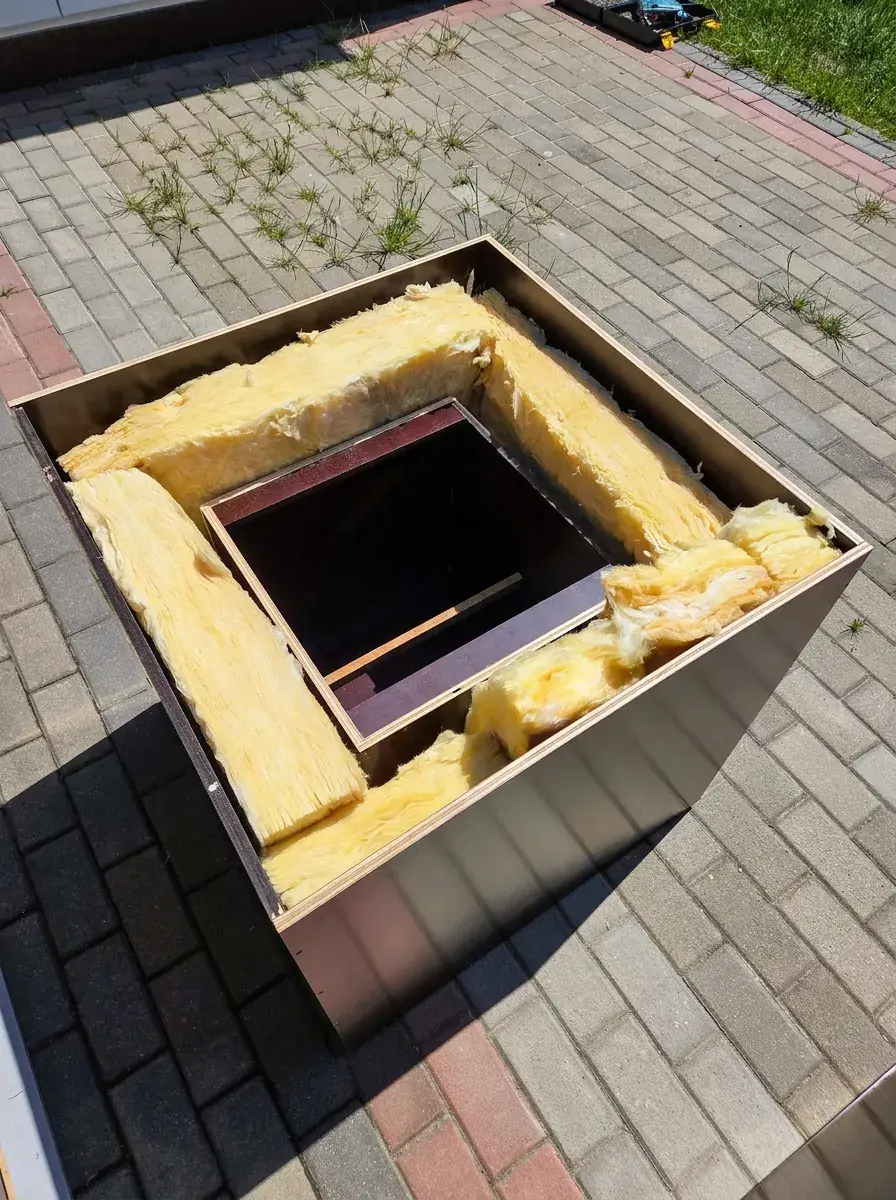
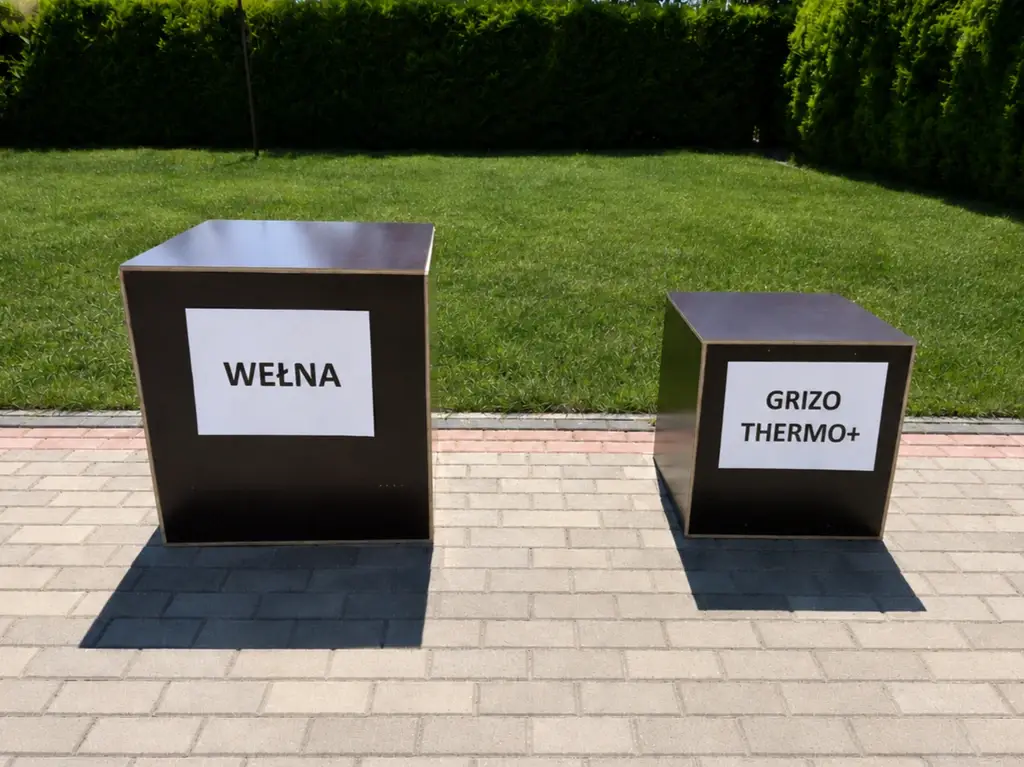
We decided to verify the effectiveness of GRIZO Thermo+ reflective mat in near-real conditions. For the test we prepared three identical wooden model houses, fitted them with temperature sensors and then exposed them to direct sunlight for 2 hours.
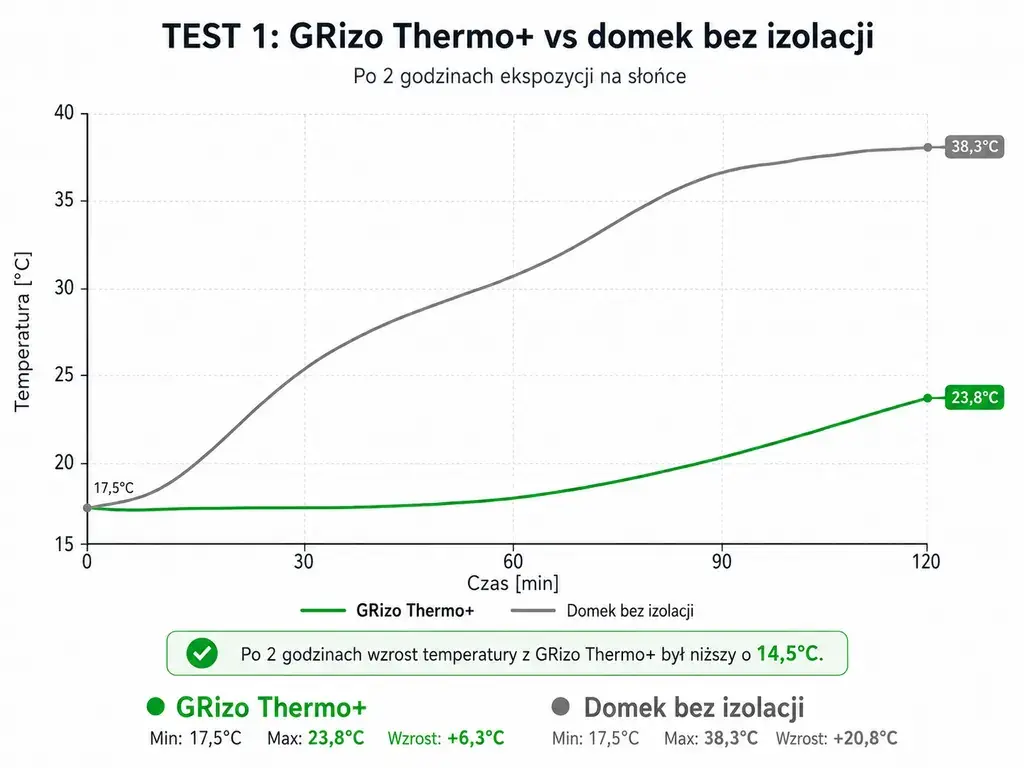
Test 1 — GRIZO Thermo+ vs an uninsulated model house. Both models started from the same internal temperature of 17.5°C. After two hours, the uninsulated house had heated up to 38.3°C (a rise of +20.8°C), while the model with GRIZO Thermo+ mat reached only 23.8°C (a rise of +6.3°C). The difference is dramatic — the mat reduced the temperature rise more than threefold.
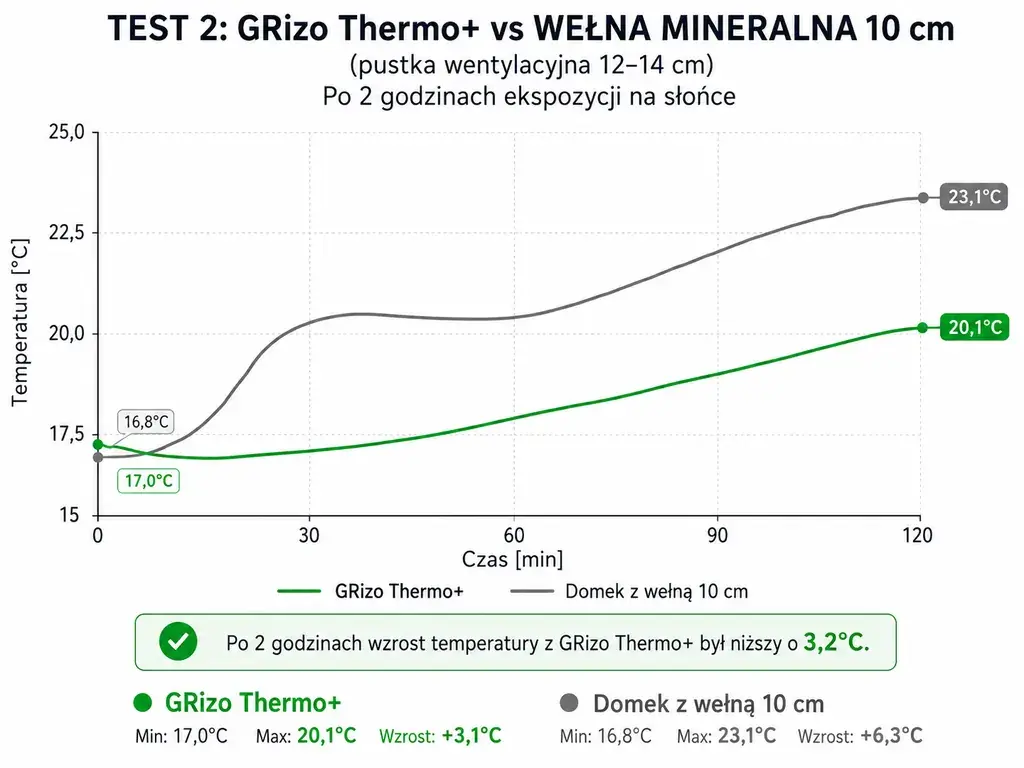
Test 2 — GRIZO Thermo+ vs 10 cm mineral wool. Here we compared our thin reflective mat with conventional 10 cm thick mineral wool (with a 12–14 cm ventilation gap). With GRIZO Thermo+ mat the interior warmed up by only +3.1°C (from 17.0 to 20.1°C), while the wool allowed a rise of +6.3°C (from 16.8 to 23.1°C).
Conclusion: a few millimetres of GRIZO Thermo+ reflective mat deliver effectiveness comparable to — and under intense solar radiation even better than — a dozen or so centimetres of mineral wool. This is the result of the thermal radiation reflection mechanism, which does not occur at all in traditional conduction-based insulation.
In practice: an attic insulated with GRIZO Thermo+ mat stays cooler in summer and warmer in winter, while the layer itself takes up minimal space. This solution is particularly attractive for attics with limited headroom, where every centimetre counts.